


What do Home Inspectors do?

Nicolas Atchison • November 15, 2024

What Do Home Inspectors Do? A Comprehensive Guide to Home Inspections
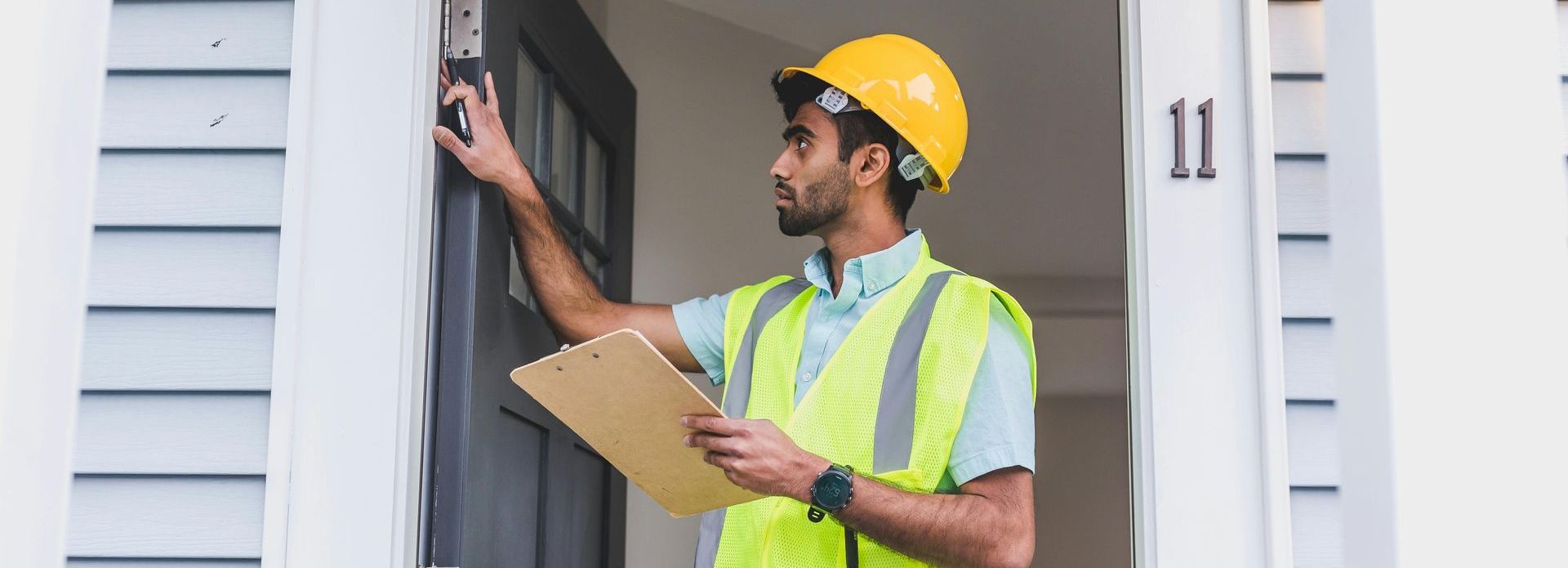
Are you buying a new home? Planning to sell? Curious about the condition of your current property? Home inspectors play a vital role in ensuring the safety, integrity, and value of a home. A professional home inspection is one of the most important steps in the home-buying and selling process, as it provides a thorough evaluation of a property's structure, systems, and components.


In this blog, we’ll walk you through what home inspectors do, why their services are essential, and how a home inspection can help you make informed decisions.


What Is a Home Inspection?


A home inspection is a detailed evaluation of a property's condition. During this process, a certified home inspector conducts a thorough examination of the property's accessible areas, identifying potential problems, safety hazards, and maintenance needs. This assessment typically covers structural components, electrical systems, plumbing, HVAC, roofing, and more.


Key Responsibilities of a Home Inspector


Home inspectors follow a rigorous checklist to provide a detailed assessment of a property. Here are some of the primary tasks they perform:


1. Evaluate Structural Integrity

  • Foundation: Inspect for cracks, shifting, or water damage that may affect a home’s stability.
  • Walls, Ceilings, and Floors: Look for issues like sagging, cracks, or other signs of structural damage.
  • Roof and Attic: Check for leaks, damaged shingles, and insulation issues that may impact energy efficiency.


2. Examine Exterior Components

  •  Siding and Exterior Walls: Inspect for weathering, cracks, or other damage.
  •  Windows and Doors: Check for proper sealing, alignment, and insulation.
  •  Decks, Patios, and Railings: Ensure these areas are secure and meet safety standards.


3. Inspect Plumbing Systems

  •  Pipes and Faucets: Examine for leaks, corrosion, and water pressure issues.
  •  Water Heater: Assess the age, functionality, and potential maintenance needs.
  •  Bathrooms and Kitchens: Test fixtures and drainage for proper functioning.


4. Evaluate Electrical Systems

  •  Wiring: Look for outdated wiring, exposed connections, or potential hazards.
  •  Circuit Breaker Panel: Check that it is properly labeled and free of electrical issues.
  •  Outlets and Light Fixtures: Test to ensure they are in working order and safe.


5. Assess HVAC Systems

  • Heating System: Inspect for age, function, and potential energy inefficiencies.
  • Air Conditioning: Check cooling efficiency, age, and overall condition.
  • Ventilation: Ensure proper airflow and verify there is no mold or mildew present.


6. Identify Safety Hazards

  •  Home inspectors also look for visible safety issues, such as the presence of radon, carbon monoxide risks, or asbestos in older homes. If they spot any hazardous materials, they may recommend further testing by specialists.


Why Are Home Inspections Important?


A home inspection is invaluable in the home-buying process. Here are some key reasons to consider one:


  • Informed Decision-Making: A home inspection helps buyers understand the true condition of a home, avoiding costly surprises after closing.
  • Negotiation Power: If issues are found, buyers can negotiate repairs or request a price reduction.
  • Maintenance Planning: An inspection provides valuable insights for homeowners to plan for maintenance and repairs over time.
  • Seller Confidence: For sellers, a pre-listing inspection can identify potential issues, allowing them to address concerns before listing and sell their home more confidently.


How Long Does a Home Inspection Take?


The duration of a home inspection depends on factors like the size, age, and condition of the home. On average, a standard inspection for a single-family home can take between two and four hours. The inspector will provide a detailed report, usually within 24 to 48 hours, that outlines their findings and recommendations.


Common Misconceptions About Home Inspections


  • A Home Inspection Isn’t a Pass/Fail Test: The inspector doesn’t “pass” or “fail” a home but rather documents its current condition.
  • Not All Inspections Cover Every Aspect: Some specialized inspections (like for pests or mold) may require additional expertise.
  • The Inspector Isn’t There to Find Cosmetic Flaws: Home inspectors focus on the home’s structure and systems, not aesthetic details.


Finding a Qualified Home Inspector


When looking for a reputable home inspector, consider factors like certifications, reviews, and experience. Qualified home inspectors should be licensed, insured, and knowledgeable about local building codes and standards.


Final Thoughts


Hiring a professional home inspector is one of the most prudent steps in the home-buying or selling process. By providing a comprehensive assessment of a property’s condition, a home inspection allows buyers, sellers, and homeowners to make informed decisions and avoid costly surprises. Whether you're a buyer, seller, or homeowner, a thorough home inspection can offer peace of mind and a clear understanding of the property.


Are you ready to learn more about what a home inspector can do for you? Schedule a home inspection with Local Pro Home Inspection LLC today and take the first step toward securing your home’s future.

You might also like

By Nicolas Atchison September 8, 2026
As summer winds down, the real estate market starts to shift. Families settle back into school routines, the days get shorter, and buyers who have been searching all summer may find themselves taking a closer look at what’s actually important in a home. For home buyers, the end of summer can also be a great time to look beyond the fresh landscaping and sunny-day curb appeal. A home inspection can help you understand how a property is really performing—and what you may need to plan for once the seasons change. Take a Closer Look at the Exterior Summer is a great time to see a home at its best, but don’t let a freshly mowed lawn or blooming garden distract you from the bigger picture. Look closely at the roof, siding, windows, drainage, decks, patios, and foundation. Check for signs of water intrusion, deferred maintenance, or repairs that may become more important as fall and winter weather arrives. Think About the Seasons Ahead One of the biggest benefits of buying toward the end of summer is that you can start thinking about how the home will perform in cooler, wetter weather. During your inspection, ask questions about: The age and condition of the roof Gutters and drainage around the home Heating and cooling systems Windows and doors Insulation and ventilation Plumbing and potential leaks The condition of the foundation and crawlspace These systems may not be top of mind when you're touring a home on a warm summer afternoon, but they can make a big difference once the weather changes. Don’t Overlook the HVAC System Your air conditioner may have been working overtime all summer, making this an especially good time to pay attention to the heating and cooling system. Ask how old the system is, whether it has been regularly maintained, and whether it is operating properly. A home inspection isn't a substitute for a specialized HVAC evaluation, but it can help identify issues that deserve a closer look. Pay Attention to Drainage Water is one of the biggest concerns for any home, and drainage problems can be easy to overlook during dry summer months. Look at how the property is graded and where water is likely to go during heavy rain. Gutters and downspouts should direct water away from the foundation, and areas around the home should not create obvious opportunities for water to collect. A small drainage issue can become a much bigger problem when the rainy season arrives. Look Past the Cosmetic Updates Fresh paint, new countertops, beautiful landscaping, and updated fixtures can make a home feel move-in ready. But cosmetic improvements don't tell you everything about the condition of the property. When you're buying a home, it's important to understand the systems and components you can't easily see during a showing. That's where a professional home inspection can provide valuable information and help you make a more informed decision. A New Season, A New Opportunity If you spent the summer searching for the right home, don't assume your opportunity has passed. The end of summer can be a good time to slow down, take a closer look, and make sure the home you're considering is a good fit—not just for today, but for the seasons ahead. Buying a home is a big investment. The more you know about the property before you close, the better prepared you can be for what comes next. At Local Pro, we're here to help home buyers understand what they're purchasing and move forward with confidence.
By Nicolas Atchison May 12, 2026
Owning a home in Sonoma County comes with plenty of rewards—beautiful scenery, changing seasons, and unique homes full of character. But with that charm also comes responsibility. From wet winters to dry summers, homes in Sonoma County experience year-round wear and tear that can lead to costly repairs if small issues go unnoticed. The good news? Staying proactive with regular maintenance and inspections can help protect your investment and keep your home safe, efficient, and comfortable. Here are some of the most important home maintenance tips every homeowner should know. 1. Watch for Roof Damage Before It Turns Into Leaks Your roof is your home’s first line of defense against the elements. Missing shingles, moss growth, sagging gutters, or dark spots on ceilings can all be signs of potential roof problems. Sonoma County’s rainy season can quickly expose weak spots in roofing materials, leading to leaks and water damage. Regular roof inspections and gutter cleaning can help prevent expensive repairs and extend the life of your roof. 2. Keep Gutters Clean and Water Flowing Away From Your Home Clogged gutters are one of the most common causes of water damage. When gutters overflow, water can pool near your foundation, damage siding, or seep into crawlspaces and basements. Leaves and debris build up quickly during the fall and winter months, making routine gutter maintenance especially important in Sonoma County. 3. Pay Attention to Foundation Warning Signs Small hairline cracks in concrete may be normal, but large cracks, uneven flooring, sticking doors, or shifting walls could point to foundation movement. Soil expansion and contraction caused by seasonal moisture changes can affect a home’s stability over time. Catching foundation concerns early can help prevent more significant structural issues in the future. 4. Don’t Ignore Plumbing Problems Slow drains, dripping faucets, or reduced water pressure may seem minor, but they can indicate hidden plumbing issues. Even small leaks can lead to mold growth, wood rot, and water damage if left untreated. Inspect sinks, toilets, water heaters, and exposed plumbing regularly to identify problems before they worsen. 5. Older Homes May Have Outdated Electrical Systems Many Sonoma County homes have charm and history, but older homes can also come with aging electrical systems. Flickering lights, overloaded circuits, outdated panels, or improperly installed wiring can become serious safety hazards. A professional home inspection can help identify electrical concerns and determine whether updates or repairs are needed. 6. Replace HVAC Filters Regularly Your heating and cooling system works hard throughout the year. Dirty air filters can reduce airflow, decrease energy efficiency, and place unnecessary strain on the HVAC system. Replacing filters regularly improves indoor air quality and helps your system operate more efficiently. Routine servicing can also extend the lifespan of your HVAC equipment. 7. Moisture Is One of a Home’s Biggest Enemies Water intrusion can quietly damage a home long before visible signs appear. Musty odors, peeling paint, warped flooring, condensation on windows, or stains on ceilings may all indicate hidden moisture issues. Unchecked moisture can lead to mold growth, insulation damage, and structural deterioration. Proper ventilation and routine inspections are key to keeping your home dry and protected. 8. Test Smoke and Carbon Monoxide Detectors Smoke and carbon monoxide detectors are critical safety devices that should be tested monthly. Replace batteries at least once a year and ensure detectors are properly installed throughout the home. These simple devices can save lives and are often overlooked until they stop working. 9. Tree Maintenance Protects Your Home Overhanging branches may look harmless, but they can damage roofing materials, clog gutters, and provide easy access for pests. During storms or high winds, large limbs can become serious hazards. Trimming branches away from the home helps reduce risk and protects your property year-round. 10. A Home Inspection Isn’t Just for Buyers Many people think home inspections are only for real estate transactions, but homeowners can benefit from inspections too. A professional inspection helps identify maintenance concerns early, prioritize repairs, and better understand the condition of your property. Preventative inspections can save homeowners thousands of dollars by catching issues before they become major repairs. Protect Your Home With Local Pro Home Inspection LLC At Local Pro Home Inspection LLC , we help homeowners throughout Sonoma County better understand and protect their homes. Whether you’re buying, selling, or simply staying ahead of maintenance, our detailed inspections provide the information and peace of mind you need. From roofing and foundations to plumbing, electrical, HVAC, and moisture concerns, we take a close look at the systems that matter most. 📞 Contact Local Pro Home Inspection LLC today to schedule your inspection and protect your investment for years to come.
By Nicolas Atchison December 27, 2025
Mobile and manufactured homes offer an affordable and flexible housing option—but they come with unique construction methods and systems that require specialized inspection expertise. A professional mobile home inspection ensures you fully understand the condition, safety, and value of the home before making important real estate decisions. What Makes Mobile Home Inspections Different Unlike site-built homes, mobile and manufactured homes are constructed in a factory and placed on a foundation or support system. This means inspectors must evaluate additional components such as: Under-home vapor barriers and insulation Skirting condition and ventilation Mobile-specific plumbing and electrical connections An inspector experienced with mobile homes knows exactly where issues are most likely to occur.  Common Issues Found in Mobile Homes A thorough mobile home inspection often reveals problems that may not be obvious during a walk-through, including: Moisture damage beneath the home Improper leveling or settling Outdated electrical panels or aluminum wiring Plumbing leaks in concealed areas HVAC systems not designed for the home’s size Identifying these concerns early can prevent costly repairs and safety hazards. For Buyers: Protect Your Investment For buyers, a mobile home inspection provides critical insight into the home’s condition and helps avoid unexpected repair expenses. It also supports stronger negotiations by giving you documented findings to request repairs or pricing adjustments. For Sellers: Build Buyer Confidence Sellers who complete a mobile home inspection before listing can address issues in advance, reduce renegotiations, and reassure buyers that the home has been professionally evaluated—often leading to faster, smoother closings. Why Choose Local Pro Home Inspection At Local Pro Home Inspection , we specialize in mobile and manufactured home inspections. Our local expertise means we understand regional requirements, soil conditions, and climate-related challenges that impact mobile homes. We provide clear, detailed reports and straightforward explanations—so there are no surprises. Schedule Your Mobile Home Inspection Today Whether you’re buying, selling, or representing a client, a professional mobile home inspection is a smart step toward protecting your investment. Contact Local Pro Home Inspection today to schedule your mobile home inspection and move forward with confidence.

Book a Service Today